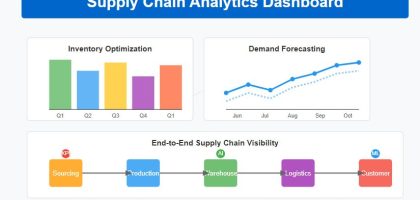
The Bullwhip Effect: How Small Demand Changes Create Massive Supply Chain Disruptions
The Hidden Phenomenon Costing Businesses Billions : The Bullwhip Effect Have you ever wondered why stores suddenly run out of products, only to have excessive


Voluptatem modi per commodi, semper. Architecto ea, vivamus deserunt, curabitur animi iure primis id elementum

Voluptatem modi per commodi, semper. Architecto ea, vivamus deserunt, curabitur animi iure primis id elementum

How to improve a Retail Chains’ Efficiency with Lean Six Sigma 101

Inventory management has become one of the most critical aspects of supply chain optimization for organizations around the world. With the increase in demand and customer expectations, it has become essential for companies to ensure effective inventory management to avoid stockouts, overstocking, and lost sales. Adopting the best practices for inventory management can help organizations achieve efficient supply chain management. Some of the best practices for effective inventory management include maintaining accurate inventory records, forecasting future demand, optimizing order quantities, conducting regular cycle counts and audits, implementing inventory safety stock levels, using advanced inventory software, and developing strong supplier relationships. By adhering to these best practices, organizations can streamline their inventory management processes, eliminate wastage, enhance customer satisfaction, and ensure optimal profitability.